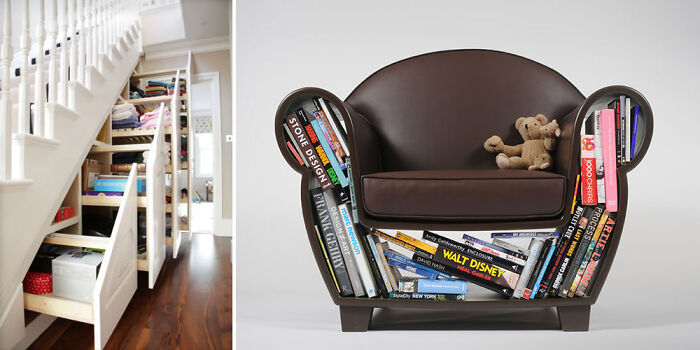
In today’s increasingly urbanized world, maximizing space is a paramount concern. Whether you inhabit a cozy studio apartment, a compact city home, or even a larger space seeking optimal organization, the quest for efficient space utilization is universal. This guide delves into creative solutions, offering practical strategies and inspiring ideas to transform cramped living areas into functional and aesthetically pleasing environments.
We’ll explore innovative furniture, clever storage techniques, and simple DIY projects to help you reclaim your space and enhance your living experience.
From clever furniture choices like Murphy beds and convertible sofas to ingenious storage solutions such as vertical shelving and under-bed organizers, we’ll examine a range of options to suit various needs and budgets. We’ll also cover decluttering strategies, space-enhancing design principles, and DIY projects to personalize your space-saving journey. Ultimately, this guide aims to empower you to create a home that feels both spacious and uniquely yours.
Introduction to Creative Space-Saving Solutions

In today’s world, characterized by increasing urbanization and rising property costs, the need for innovative space-saving solutions is more critical than ever. Limited living spaces are becoming the norm, forcing individuals and families to rethink how they utilize their homes. Finding clever ways to maximize space is no longer a luxury but a necessity for comfortable and functional living.
This applies across a wide range of dwelling types, from cramped city apartments and tiny studios to even smaller suburban homes where maximizing space enhances livability and reduces clutter.Space-saving solutions are particularly beneficial in apartments, studios, and small homes where square footage is at a premium. The challenges of fitting all the necessities of daily life – furniture, storage, appliances, and personal belongings – into a compact area require resourceful planning and the implementation of clever design strategies.
These strategies go beyond simple decluttering; they involve a holistic approach to furniture selection, storage optimization, and the strategic use of vertical space.
Examples of Space-Saving Benefits
My friend Sarah, a recent graduate, moved into a tiny studio apartment after college. Initially overwhelmed by the limited space, she felt cramped and frustrated. However, after implementing a few space-saving hacks – a Murphy bed, wall-mounted shelving, and under-bed storage – she transformed her studio into a functional and surprisingly spacious living area. The impact was significant; not only did she gain valuable floor space, but she also felt a noticeable improvement in her mental well-being, experiencing less stress and a greater sense of order in her daily life.
This transformation highlights how effective space-saving strategies can significantly improve the quality of life in smaller living spaces.
Furniture and Storage Hacks
Maximizing space in smaller living areas requires creative solutions, and cleverly designed furniture and strategic storage are key components. By carefully selecting pieces that serve multiple purposes and implementing smart storage strategies, you can significantly enhance the functionality and livability of even the most compact spaces. This section explores various space-saving furniture options and innovative storage solutions.
Space-Saving Furniture Comparison
Choosing the right furniture is crucial for small spaces. The following table compares popular space-saving options, highlighting their strengths and weaknesses:
| Furniture Type | Space Saving Features | Advantages | Disadvantages |
|---|---|---|---|
| Murphy Bed | Folds away into a wall unit, freeing up floor space during the day. | Maximizes floor space, ideal for studio apartments or guest rooms. | Can be expensive, requires wall installation, may not be suitable for daily use. |
| Convertible Sofa | Transforms from a sofa into a bed, providing both seating and sleeping space. | Versatile, offers both seating and sleeping functionality, suitable for small living rooms. | Sleeping surface may not be as comfortable as a dedicated bed, can be bulky when unfolded. |
| Ottomans with Storage | Provides seating and hidden storage within the ottoman itself. | Adds extra seating, provides concealed storage for blankets, pillows, or other items. | Storage capacity may be limited, may not be suitable for heavy items. |
| Lift-Top Coffee Table | Features a lift-top that can be raised to create a makeshift dining or work surface. | Multifunctional, saves space by eliminating the need for a separate dining table or desk. | May not be suitable for large dining gatherings, storage space may be limited. |
Creative Storage Solutions for Small Spaces
Effective storage is paramount in small spaces. Utilizing vertical space, under-bed storage, and wall-mounted shelving are excellent strategies for maximizing storage capacity without compromising floor space.Vertical storage utilizes the often-unused vertical space in a room. Tall bookcases, narrow shelving units reaching the ceiling, and even strategically placed ladders can provide significant additional storage. Under-bed storage, using rolling containers, drawers, or lift-up storage beds, allows for the efficient use of space often left empty.
Wall-mounted shelves, particularly floating shelves, maximize wall space and provide display and storage options without taking up floor space. They are ideal for books, decorations, and other items.
Advantages and Disadvantages of Multi-Functional Furniture
Multi-functional furniture offers significant space-saving benefits, but it’s important to consider both the advantages and disadvantages before purchasing.The primary advantage is its space-saving nature. A convertible sofa, for instance, eliminates the need for both a sofa and a bed, significantly freeing up floor space. Multi-functional pieces also enhance the efficiency of a room, providing several functions in one unit.
However, the functionality may be compromised. A sofa bed, while practical, may not offer the same comfort or support as a dedicated bed. The durability and longevity of multi-functional furniture can also be a concern; constant conversion may lead to wear and tear faster than with single-purpose furniture. Careful consideration of individual needs and usage patterns is essential before investing in multi-functional furniture.
Organization and Decluttering Techniques
Effective organization and decluttering are crucial for maximizing space in any living environment. By strategically removing unnecessary items and implementing smart storage solutions, you can significantly increase the usable area of your home and create a more organized and functional space. This section will explore practical methods for decluttering and organizing various areas of your home, focusing on efficient space-saving techniques.
Implementing effective decluttering methods is the first step towards maximizing space. A systematic approach ensures you don’t just shift clutter around but actually reduce it.
Effective Decluttering Methods
The following methods provide a structured approach to decluttering, allowing you to identify and remove unnecessary items efficiently.
- The 20/20 Rule: If an item costs less than $20 to replace and would take less than 20 minutes to replace, consider discarding it to free up space.
- The One-In, One-Out Rule: For every new item brought into your home, remove a similar item. This prevents accumulation.
- The Four-Box Method: Use four boxes labeled “Keep,” “Donate,” “Trash,” and “Relocate.” Sort items into the appropriate boxes for efficient decluttering.
- The 12-Month Rule: If you haven’t used an item in the past 12 months, consider donating or discarding it unless it holds significant sentimental value.
Efficient Clothes Organization
Organizing clothes effectively is essential for maximizing closet and drawer space. Several space-saving techniques can help you achieve this.
Vacuum-sealed bags significantly reduce the volume of bulky items like sweaters and blankets. These bags remove air, compressing clothing to a fraction of its original size. Vertical folding, a technique that involves stacking clothes upright rather than laying them flat, maximizes drawer space by creating easily accessible vertical compartments. This method allows for better visibility of your clothing items, unlike traditional stacking which can obscure items at the bottom.
Maximizing Kitchenware and Pantry Space
Efficient organization in the kitchen and pantry is key to maintaining a clutter-free and functional space. Smart storage solutions can dramatically increase the usable space available.
Utilizing vertical space with shelf risers and stackable containers is crucial for maximizing pantry space. Clear containers allow for easy identification of stored items. In the kitchen, drawer organizers and utensil dividers help to keep items organized and easily accessible. Using lazy Susans in corner cabinets allows for easy access to items stored in otherwise difficult-to-reach areas. Consider using the inside of cabinet doors for hanging organizers to store frequently used items like spices or cleaning supplies.
DIY Space-Saving Projects
Transforming your living space doesn’t always require expensive furniture or professional help. Many ingenious space-saving solutions can be crafted at home with readily available materials, offering both cost-effectiveness and a personalized touch. These DIY projects empower you to creatively address your storage needs and enhance your home’s aesthetic appeal simultaneously.
Building a Simple Floating Shelf
Floating shelves provide a sleek and efficient way to maximize vertical space, ideal for displaying books, plants, or decorative items. Constructing a simple floating shelf involves minimal tools and materials. A straightforward design utilizes a single, sturdy shelf board (e.g., a 1×12 pine board, cut to your desired length) and two strong L-brackets. The brackets are mounted directly into the wall studs for secure support.
Before mounting, ensure the wall studs are located using a stud finder to prevent damage and ensure stability. The shelf board then rests securely on the brackets, creating a visually appealing and functional storage solution. For added stability, consider using longer L-brackets or adding additional support brackets depending on the shelf’s length and the weight of the items it will hold.
Repurposing Old Crates into Shelves
Old wooden crates, often discarded as waste, can be transformed into charming and rustic shelving units. A simple coat of paint or varnish can revitalize their appearance, and they can be stacked or arranged to suit individual needs and space constraints. For stability, consider attaching the crates to the wall using L-brackets or strong adhesive. This project requires minimal tools: sandpaper for smoothing rough edges, paint or varnish for aesthetics, and screws or adhesive for securing the crates together or to the wall.
The result is a unique and functional storage solution that adds character to any room, highlighting the potential for upcycling and sustainability in home improvement.
Materials and Tools for a Wall-Mounted Shoe Rack
A wall-mounted shoe rack is another excellent space-saving DIY project. This project uses readily available materials such as wooden dowels and screws. The dowels, cut to appropriate lengths, are mounted horizontally onto a vertical piece of wood (acting as the backing board). The shoes are then slipped onto the dowels. The materials needed are: wooden dowels (diameter and number depending on the number of shoes), a backing board of plywood or similar material, screws, a drill, a level, a measuring tape, and sandpaper for smoothing any rough edges.
Before mounting the rack, ensure you accurately measure and mark the positions for the dowels to ensure even spacing and optimal shoe storage. This design provides a clean and efficient solution for shoe storage, maximizing vertical space and minimizing floor clutter.
Space Enhancer and Space Saving Strategies
Maximizing space isn’t just about cramming things in; it’s about creating the illusion of spaciousness and employing smart storage solutions. Effective space enhancement leverages both visual tricks and practical organization to achieve a more comfortable and functional living environment. This section explores techniques for enhancing the perceived size of a room and strategies for efficient space utilization.Effective space saving and enhancement strategies rely on a combination of visual manipulation and practical organization.
The key is to create a sense of openness and flow, while simultaneously optimizing storage and minimizing clutter. This involves carefully considering color palettes, lighting, furniture placement, and storage solutions. By strategically applying these principles, even the smallest rooms can feel significantly larger and more functional.
Space Enhancement Techniques: Mirrors, Light, and Color
Mirrors strategically placed can dramatically increase the perceived size of a room. A large mirror on a wall facing a window, for instance, reflects natural light and the view outside, effectively doubling the visual space. Similarly, mirrors positioned opposite light sources can create a brighter and airier atmosphere. Light colors, particularly on walls and ceilings, also contribute to a sense of spaciousness.
Light colors reflect more light, making the room feel brighter and larger. Maximizing natural light is crucial; keeping windows unobstructed and using sheer curtains instead of heavy drapes allows ample sunlight to enter, brightening the space and creating a more open feel. In contrast, dark colors absorb light, making a room feel smaller and more confined. Heavy furniture and cluttered spaces further contribute to a cramped feeling.
Therefore, a thoughtful balance of these elements is essential for effective space enhancement.
Key Principles of Effective Space Saving Design
Effective space-saving design centers around maximizing vertical space, utilizing multi-functional furniture, and embracing minimalist principles. Vertical space, often overlooked, offers significant storage potential. Tall bookshelves, overhead cabinets, and loft beds are examples of how to effectively use this space. Multi-functional furniture, such as sofa beds or ottomans with storage, serves dual purposes, maximizing utility in limited space. Minimalist design, characterized by its clean lines and decluttered aesthetic, inherently contributes to a sense of spaciousness.
By strategically reducing unnecessary items and choosing furniture with clean lines, the room feels less cluttered and more open. Finally, careful consideration of traffic flow is crucial. Ensuring easy movement around furniture prevents a cramped feeling.
Actionable Steps for Space Saving in a Bedroom
Implementing space-saving strategies requires a systematic approach. Begin by decluttering: remove unnecessary items, donate or sell unwanted clothing and accessories, and organize belongings efficiently. Next, optimize storage: utilize under-bed storage containers, install shelves, and consider a wardrobe with built-in drawers or organizers. Choose furniture wisely: select a bed with built-in drawers or a smaller footprint if space is extremely limited.
Utilize vertical space by installing tall bookshelves or hanging organizers. Finally, maintain the decluttered state: regularly purge items and keep surfaces clear to prevent a cluttered feeling. A consistent effort to declutter and organize will ensure the space remains functional and comfortable.
Visual Representation of Space-Saving Ideas
Effective visual communication is crucial for showcasing the impact of space-saving solutions. Images can instantly convey the benefits of clever design and organization, inspiring viewers to implement similar strategies in their own homes. By carefully considering furniture placement, lighting, and color palettes, a compelling visual narrative can be created, demonstrating the transformative power of space-saving techniques.A well-designed image can effectively communicate the principles of maximizing space and creating a functional yet aesthetically pleasing environment.
This section will explore detailed descriptions of images illustrating space-saving ideas for a living room, kitchen, and bedroom.
Space-Saving Living Room Design
Imagine a sun-drenched living room, approximately 12ft x 14ft, painted in a calming shade of pale grey. The walls are adorned with a large mirror, strategically placed to reflect natural light from a large window, visually expanding the room’s size. A light-colored, modular sofa sits against one wall, providing ample seating without overwhelming the space. A small, round coffee table with built-in storage sits in front of the sofa, minimizing floor clutter.
Instead of bulky floor lamps, discreet wall sconces provide soft, ambient lighting. A floating shelf unit, extending along the wall opposite the sofa, houses books, decorative items, and a small television, showcasing vertical space utilization. The overall color scheme is minimalist, using neutral tones punctuated by pops of color from carefully chosen throw pillows and a vibrant area rug, creating a sense of airy spaciousness.
Creative Kitchen Storage Solution
The image depicts a small galley kitchen, approximately 8ft x 10ft. The primary focus is a custom-designed, pull-out pantry system installed along one wall. This system consists of several narrow, deep drawers and shelves, each perfectly sized to accommodate various kitchen items. Glass-fronted cabinets display attractive dishes and glassware, while opaque cabinets conceal less aesthetically pleasing items. Vertical space is maximized by installing tall, narrow cabinets that reach almost to the ceiling.
The countertops are kept clear of clutter, with only essential appliances visible. A light and airy color scheme of white cabinets and a pale grey backsplash helps to create the illusion of more space. The overall effect is one of organized efficiency and visual appeal, transforming a compact kitchen into a functional and stylish space.
Space-Saving Bedroom with Enhanced Spaciousness
This image showcases a bedroom, approximately 10ft x 12ft, designed to maximize space and create a feeling of openness. The walls are painted a soft, cool blue, creating a calming and spacious atmosphere. A platform bed with built-in drawers underneath provides ample storage, eliminating the need for a bulky dresser. A mirrored wardrobe door reflects light, making the room appear larger.
Instead of a large bedside table, a floating shelf on each side of the bed provides a practical surface for a lamp and a few personal items. A sheer curtain allows natural light to flood the room, while maintaining privacy. Minimalist décor and a light-colored rug complete the look, creating a serene and uncluttered environment that feels significantly larger than its actual size.
The overall impression is one of tranquility and airy spaciousness, a testament to the effective use of space-saving techniques.
By implementing the creative space-saving hacks Artikeld in this guide, you can significantly improve the functionality and aesthetic appeal of your living space, regardless of its size. Remember that effective space saving is not merely about cramming more items into a smaller area; it’s about thoughtful planning, clever storage solutions, and a commitment to decluttering. By embracing these principles and incorporating the techniques discussed, you can transform your home into a haven of comfort and efficiency, reflecting your personal style and maximizing your living experience.
The journey to a more spacious and organized home begins with a single, well-placed shelf—or a cleverly repurposed crate!
Frequently Asked Questions
What are some quick wins for immediate space saving?
Declutter surfaces, utilize vertical space with stacked storage, and strategically place mirrors to create an illusion of more space.
How can I make my small bedroom feel larger?
Use light colors on walls, maximize natural light, and choose furniture with a minimal footprint. A large mirror can also help to visually expand the space.
Are there affordable space-saving solutions?
Yes! Repurposing existing items (e.g., old crates as shelves), utilizing inexpensive storage containers, and employing DIY solutions can be highly cost-effective.
How do I choose the right space-saving furniture?
Consider your specific needs and available space. Multi-functional furniture is ideal, but ensure it fits your lifestyle and aesthetic preferences.


