
Maximizing space in smaller homes or apartments often requires creative solutions. This exploration of space-saving furniture ideas delves into practical strategies and innovative designs to transform cramped living areas into efficient and stylish environments. We’ll examine various furniture types, multi-functional pieces, clever storage solutions, and effective arrangement techniques to help you optimize your space and create a home that feels both comfortable and uncluttered.
From cleverly designed beds with integrated storage to adaptable sofas that convert into sleeping spaces, the options are surprisingly diverse. Understanding the principles of visual space enhancement, through techniques like strategic lighting and color choices, complements the practical furniture solutions, creating a holistic approach to maximizing the perceived and actual size of your living space. This guide aims to equip you with the knowledge and inspiration to tackle even the most space-challenged homes.
Types of Space-Saving Furniture
Choosing the right furniture can significantly impact the perceived size and functionality of a space. Space-saving furniture is designed to maximize usable area while maintaining comfort and style. Understanding the different types available and their suitability for various rooms is crucial for effective space planning.
Space-Saving Furniture by Room
The following table details examples of space-saving furniture categorized by room, highlighting their key features and space-saving benefits.
| Room | Furniture Type | Description | Space-Saving Feature |
|---|---|---|---|
| Living Room | Sofa Bed | A sofa that converts into a bed. | Combines seating and sleeping functionality, eliminating the need for a separate bed. |
| Living Room | Ottoman with Storage | An ottoman with a built-in compartment for storing blankets, pillows, or other items. | Provides extra seating and hidden storage, reducing clutter. |
| Bedroom | Murphy Bed | A bed that folds up into a wall unit, freeing up floor space during the day. | Transforms from a bed to a wall-mounted unit, maximizing floor space. |
| Bedroom | Under-Bed Storage | Containers or drawers designed to fit under the bed. | Provides additional storage space without taking up floor space. Imagine shallow, rolling drawers on casters that can be easily pulled out. |
| Kitchen | Fold-Down Table | A table that folds against the wall when not in use. | Provides dining space only when needed, maximizing kitchen floor space. Picture a small, round table attached to the wall with hinges. |
| Kitchen | Slim-Line Refrigerator | A refrigerator with a narrower depth than standard models. | Saves valuable floor space in smaller kitchens. Think of a refrigerator only 20 inches deep instead of the standard 30. |
| Bathroom | Corner Vanity | A vanity unit designed to fit into a corner, maximizing space utilization. | Optimizes corner space, providing storage and counter space without taking up valuable floor area. |
| Bathroom | Over-the-Toilet Storage | Shelving units designed to fit over the toilet. | Utilizes otherwise unused vertical space for storage. Imagine a tall, narrow unit with multiple shelves, fitting neatly above the toilet. |
Advantages and Disadvantages of Space-Saving Furniture
Space-saving furniture offers numerous advantages, but it’s important to consider potential drawbacks. The impact on space utilization is a key factor in determining suitability.
Sofa Beds: Advantages include dual functionality; Disadvantages include less comfortable sleeping surface compared to a dedicated bed.
Ottoman with Storage: Advantages include extra seating and hidden storage; Disadvantages may include limited storage capacity depending on size.
Murphy Beds: Advantages include maximizing floor space; Disadvantages can be more complex to install and may be less comfortable than traditional beds.
Under-Bed Storage: Advantages include extra storage without compromising floor space; Disadvantages require careful consideration of storage container size and accessibility.
Fold-Down Tables: Advantages include space-saving design; Disadvantages may involve limited stability and smaller surface area compared to a standard table.
Slim-Line Refrigerators: Advantages include saving kitchen space; Disadvantages may have less storage capacity than standard-sized refrigerators.
Corner Vanities: Advantages include maximizing corner space; Disadvantages may be less versatile in terms of layout and accessibility.
Over-the-Toilet Storage: Advantages include utilizing vertical space; Disadvantages may require careful consideration of weight capacity and accessibility.
Multi-Functional Furniture
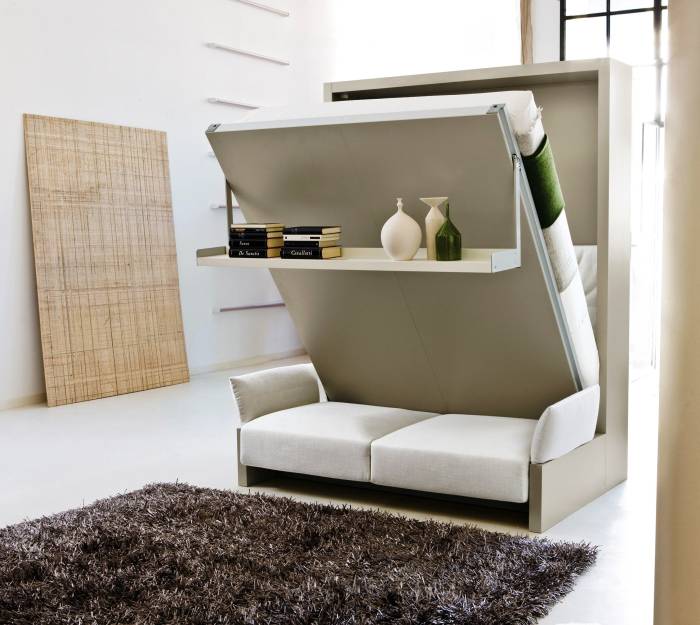
Multi-functional furniture plays a crucial role in maximizing space, particularly in smaller living areas. By combining the functions of several pieces into one, it significantly reduces the number of individual items needed, freeing up valuable floor space and creating a more open and uncluttered environment. This approach not only enhances the aesthetic appeal of a room but also contributes to a more efficient and organized living space.Multi-functional furniture offers a practical solution for optimizing space in compact apartments and studios.
The strategic integration of multiple functions within a single piece minimizes the need for separate furniture items, thus improving space utilization and streamlining the overall layout. This approach results in a more organized and visually appealing living environment.
Examples of Multi-Functional Furniture for Small Spaces
The following examples illustrate how versatile furniture can transform small living spaces:
- Sofa Bed: This classic piece combines a comfortable sofa for seating during the day with a bed for sleeping at night. This eliminates the need for a separate bed, freeing up considerable floor space.
- Ottoman with Storage: An ottoman provides extra seating while simultaneously offering hidden storage space for blankets, pillows, or other items. This functionality helps keep belongings organized and out of sight.
- Murphy Bed: A Murphy bed folds away into a wall unit, transforming a living room or study into a bedroom in seconds. This is ideal for studios or apartments where space is extremely limited.
- Storage Bench: A storage bench combines seating with built-in storage underneath the seat cushion. This can be used in entryways, bedrooms, or living rooms for added seating and storage.
- Desk with Shelving: A desk with integrated shelving units provides a workspace and storage for books, documents, and office supplies. This eliminates the need for separate shelving units, saving valuable floor space.
Comparison of Multi-Functional Furniture Items
Let’s compare the space-saving benefits and functionality of three common multi-functional furniture pieces: a sofa bed, a coffee table with storage, and a convertible dining table.
| Feature | Sofa Bed | Coffee Table with Storage | Convertible Dining Table |
|---|---|---|---|
| Primary Function | Seating/Sleeping | Seating/Storage | Dining/Additional Tabletop Space |
| Secondary Function(s) | Sleeping/Seating | Storage/Occasional Table | Additional Tabletop Space/Dining |
| Space-Saving Benefit | Eliminates need for a separate bed | Reduces clutter and provides extra storage | Provides flexible dining and workspace |
| Suitability for Small Spaces | Excellent | Good | Good |
The sofa bed offers the most significant space-saving benefit by replacing a separate bed, while the coffee table with storage provides a more subtle but still valuable contribution to space optimization. The convertible dining table provides adaptable functionality that may not be as significant in space saving as the other two, but it provides flexibility that is highly valued in small spaces.
Each piece offers unique advantages depending on individual needs and space constraints.
Space-Saving Storage Solutions
Maximizing storage in small spaces requires creative solutions that go beyond traditional furniture. Clever storage choices can significantly impact a room’s functionality and aesthetic appeal, transforming a cramped area into a comfortable and organized living space. By strategically utilizing vertical space and incorporating hidden storage, you can dramatically increase your storage capacity without sacrificing valuable floor space.Effective space-saving storage hinges on thoughtful planning and the selection of appropriate furniture and accessories.
This involves identifying areas often overlooked, such as under beds or above doorways, and utilizing them for storage. Vertical storage, in particular, is a game-changer, as it allows for a significant increase in storage capacity without encroaching on the floor plan.
Vertical Storage Solutions
Vertical storage solutions offer a significant advantage in small spaces. By maximizing the often-unused vertical space in a room, these solutions provide ample storage without cluttering the floor. They are aesthetically pleasing and highly functional, seamlessly blending into various interior designs.
- Tall Bookcases: Floor-to-ceiling bookcases, perhaps reaching to just below the ceiling to maintain an airy feel, can hold a surprising amount of items, from books and files to decorative objects and even folded blankets.
- Slim Storage Cabinets: Narrow, tall cabinets are perfect for hallways or tight corners. Their depth might only be 12 inches, but they can be surprisingly deep vertically, offering ample storage for linens, cleaning supplies, or even shoes.
- Wall-Mounted Shelving Units: Modular shelving systems allow for customization, fitting perfectly into awkward spaces or following the contours of a wall. They can be easily adjusted as storage needs change.
Hidden Storage Solutions
Hidden storage cleverly conceals items, maintaining a clean and uncluttered look. These solutions are especially beneficial for maximizing space without sacrificing aesthetics. They are ideal for storing items you don’t need immediate access to, keeping your living space tidy and organized.
- Under-Bed Storage: Utilizing the space under the bed is a simple yet highly effective way to increase storage. This can be achieved through specialized under-bed storage containers, drawers that slide out from under the bed frame, or even by simply placing storage bins under the bed.
- Ottomans with Storage: Ottomans with built-in storage are both functional and stylish. They provide comfortable seating while simultaneously offering hidden storage for blankets, pillows, or games. Choosing an ottoman that complements the existing furniture enhances the overall room design.
- Wall-Mounted Cabinets: Wall-mounted cabinets above doorways or in other high-up areas offer an effective way to store items without taking up floor space. These cabinets can be used to store seasonal items, rarely used appliances, or extra linens.
Incorporating Storage Solutions into Room Designs
The successful integration of space-saving storage solutions relies on careful consideration of room layout and design style. Proper placement is key to maximizing both storage and aesthetic appeal.
In a living room, a floor-to-ceiling bookcase can serve as a striking focal point, while ottomans with storage offer extra seating and hidden storage. In a bedroom, under-bed storage keeps clutter at bay, freeing up floor space. A small entryway can benefit from slim storage cabinets, keeping coats, shoes, and other items organized without feeling cramped. In a kitchen, wall-mounted shelves above the countertop can provide extra storage for spices, cookbooks, or frequently used items.
The key is to choose storage solutions that complement the room’s existing décor and functionality.
Optimizing Space with Furniture Arrangement
Effective furniture arrangement is crucial for maximizing space and creating a comfortable, functional living environment. Strategic placement not only optimizes square footage but also significantly impacts the perceived size and flow of a room. By carefully considering the size and placement of furniture, you can transform a cramped space into a welcoming and efficient area.
Furniture Arrangement Strategies for Various Room Types
Different room types necessitate different approaches to furniture arrangement. A living room requires a layout that encourages conversation and relaxation, while a bedroom prioritizes restful sleep and efficient storage. Understanding these distinctions allows for the creation of tailored spaces that meet specific needs.
| Room Type | Furniture Arrangement | Description | Impact on Space |
|---|---|---|---|
| Living Room | Floating Arrangement | Furniture is arranged away from walls, creating a more open and airy feel. This works particularly well in larger living rooms. Consider a sectional sofa arranged to define different conversation areas. | Increases perceived spaciousness; improves traffic flow. |
| Bedroom | Centering the Bed | Placing the bed centrally in the room, away from walls, draws the eye and makes the room feel larger. Utilize bedside tables that are slim and functional. | Creates a focal point; makes the room feel less cluttered. |
| Dining Room | Wall-Mounted Table | A wall-mounted folding table can be stored against the wall when not in use, maximizing floor space. | Saves significant space, especially in smaller dining areas. |
| Small Kitchen | L-Shaped Layout | An L-shaped kitchen layout efficiently uses corner space, maximizing storage and counter space. | Optimizes storage and workflow, improving kitchen efficiency despite limited space. |
Principles of Furniture Placement for Creating an Illusion of Spaciousness
Several key principles contribute to creating the illusion of spaciousness. These principles revolve around using light, color, and furniture placement to visually expand the room. Strategic use of mirrors and light colors further enhances this effect.
Firstly, using light-colored walls and furniture reflects light, making the room appear larger. Secondly, placing furniture strategically to allow for easy movement and open sightlines prevents a cramped feeling. Finally, using mirrors strategically to reflect light and visually expand the space is a highly effective technique. For instance, a large mirror placed opposite a window can dramatically increase the perceived size of a room.
Examples of Furniture Arrangement to Improve Traffic Flow and Optimize Space Utilization
Effective furniture placement directly impacts traffic flow and space optimization. Avoiding furniture placement that obstructs walkways is essential. For example, in a living room, ensure ample space around the sofa and coffee table to move freely. In a hallway, avoid placing furniture that could impede movement.
Space Enhancer & Space Saving Techniques
Maximizing space isn’t solely about acquiring space-saving furniture; it’s also about cleverly manipulating the existing space to create an illusion of spaciousness and improve functionality. This involves employing visual tricks and strategic arrangement to make a room feel larger and more open than it actually is. Effective space enhancement techniques can significantly improve the overall feel and usability of a smaller living space.Effective space enhancement techniques rely on the interplay of visual elements and strategic arrangement.
By carefully considering the use of mirrors, lighting, and color palettes, one can significantly alter the perception of a room’s size. Simultaneously, thoughtful furniture placement and decluttering strategies contribute to a more spacious and organized environment. The effectiveness and cost-efficiency of these methods vary, with some requiring minimal investment and effort while others necessitate more planning and potentially higher costs.
Utilizing Mirrors to Expand Visual Space
Mirrors are a powerful tool for creating the illusion of more space. Strategically placed mirrors, particularly larger ones, can reflect light and create a sense of depth, effectively doubling the perceived size of a room. A large mirror placed opposite a window, for example, will reflect the outdoor view, bringing the outside in and expanding the visual boundaries of the interior.
Smaller mirrors can be used to highlight specific features or to create focal points, further enhancing the sense of spaciousness. The effectiveness of this technique depends on the size and placement of the mirrors; larger mirrors placed strategically yield the best results. The cost is relatively low, making it an accessible and effective method for most budgets.
Manipulating Light to Enhance Space
Lighting plays a crucial role in shaping the perception of space. Bright, well-distributed lighting makes a room feel larger and more open, while dim or poorly placed lighting can make it feel cramped and confined. Natural light should be maximized by keeping windows unobstructed. Supplemental lighting, such as strategically placed lamps and overhead fixtures, can be used to highlight specific areas and create a sense of depth.
Layered lighting—combining ambient, task, and accent lighting—is particularly effective in creating a spacious and inviting atmosphere. The cost varies depending on the type and number of light fixtures used, but even small changes can significantly improve the perceived size of a room.
Employing Color Schemes to Influence Spatial Perception
Color psychology significantly impacts how we perceive space. Lighter colors, such as whites, creams, and pastels, reflect light and make a room feel larger and airier. Darker colors, on the other hand, absorb light and can make a room feel smaller and more enclosed. However, strategic use of darker colors can also create a sense of intimacy and coziness in smaller spaces.
A balance of light and dark colors can be effective, using lighter colors on the walls to create a sense of spaciousness and darker colors on accent walls or furniture to add depth and visual interest. The cost of this method is minimal, primarily involving the cost of paint or wallpaper.
Comparing Space Maximization Methods: Effectiveness and Cost
Various methods for maximizing space exist, each with varying levels of effectiveness and cost. Using mirrors is highly effective and relatively inexpensive. Strategic lighting is also highly effective and the cost can range from low (using existing light sources more effectively) to moderate (installing new fixtures). Color schemes are the most cost-effective, with paint being the primary expense.
Decluttering and organizing are highly effective and cost nothing but time and effort. The optimal approach often involves a combination of these methods tailored to the specific space and budget. For instance, a small apartment might benefit most from a combination of mirrors, light paint colors, and strategic decluttering, while a larger room might benefit from more elaborate lighting schemes and carefully chosen furniture placement.
DIY Space-Saving Furniture Projects
Creating your own space-saving furniture offers a rewarding way to personalize your living space and tailor solutions to your specific needs. It also allows for significant cost savings compared to purchasing pre-made items. This section details two simple projects, ideal for beginners.
Fold-Down Wall Desk
Building a fold-down wall desk is a fantastic way to maximize space in smaller rooms or home offices. This design provides a functional workspace when needed and neatly folds away when not in use.The necessary materials include: a sturdy piece of wood (e.g., plywood or MDF) for the desktop (dimensions depend on your desired size), hinges (heavy-duty, suitable for the weight of the desktop), support brackets (to hold the desk in both the folded and unfolded positions), screws, wall anchors (appropriate for your wall type), and wood stain or paint (optional).
Tools required are a drill, screwdriver, measuring tape, level, pencil, and saw (if cutting the wood to size).
- Measure and cut the wood to your desired desktop size. Sand the edges for a smooth finish.
- Attach the hinges to the back of the desktop, ensuring they are securely fastened. The number of hinges depends on the size and weight of the desk.
- Locate the wall where you want to install the desk. Use a level to mark the position of the support brackets. Ensure the brackets are positioned correctly to allow the desk to fold flat against the wall.
- Drill pilot holes and securely attach the support brackets to the wall using appropriate wall anchors. The anchors are crucial for supporting the weight of the desk.
- Carefully attach the other half of the hinges to the support brackets, aligning them with the hinges on the desktop. Ensure a smooth, functional folding mechanism.
- Once everything is securely attached, test the functionality of the fold-down mechanism. Make adjustments as needed.
- Apply wood stain or paint (optional) to enhance the appearance and protect the wood.
Rolling Storage Cart
A rolling storage cart is incredibly versatile, providing mobile storage for various items. This design utilizes readily available materials and is easily adaptable to different storage needs.Materials needed: a sturdy frame (e.g., metal or wood), four caster wheels (with brakes, for stability), shelves (wood or wire), screws, and possibly wood stain or paint. Tools include a screwdriver, drill (if using wood for the frame or shelves), measuring tape, and possibly a saw (if cutting wood).
- Assemble the frame according to your chosen design. This could be a simple rectangular frame or a more complex design, depending on your preference and storage needs. Ensure the frame is robust enough to support the weight of the items you intend to store.
- Attach the shelves to the frame using screws, ensuring they are securely fastened and level. The number and spacing of the shelves will depend on the intended use and the size of the items to be stored.
- Attach the caster wheels to the corners of the frame. Make sure they are securely attached and roll smoothly. Wheels with brakes are recommended for added stability, especially when the cart is heavily loaded.
- If using wood, sand the edges and apply wood stain or paint for a finished look and to protect the wood from damage.
Ultimately, creating a spacious and functional home, even with limited square footage, is achievable through careful planning and the selection of appropriate furniture. By understanding the principles of multi-functionality, clever storage, and strategic arrangement, you can transform your living space. Remember that even small changes can make a significant impact on the overall feel and functionality of your home.
Embrace innovative designs, and don’t be afraid to think outside the box to create a comfortable and aesthetically pleasing living environment.
Question & Answer Hub
What materials are best for space-saving furniture?
Lightweight materials like bamboo, aluminum, and certain plastics are ideal, but sturdy wood can also be used effectively in space-saving designs.
How can I determine the right size furniture for my small space?
Measure your room meticulously before purchasing. Consider using scaled drawings or virtual room planning tools to visualize furniture placement and ensure proper proportions.
Are there space-saving furniture options for pets?
Yes, consider pet beds that tuck under furniture, wall-mounted food bowls, and vertical cat trees to minimize floor space usage.
Where can I find affordable space-saving furniture?
Explore online marketplaces, second-hand stores, and budget-friendly furniture retailers. Consider DIY projects for even greater cost savings.


